Trees can add shade, beauty, privacy, and natural character to a property. They can also become a concern when they are damaged, diseased, unstable, or growing in an unsafe location. Knowing when professional tree removal may be necessary can help property owners address potential problems before they become more serious. This article explains common situations that may call for removal, signs that a tree could be unsafe, and why professional evaluation is important.
Identifying Structural Problems
A tree's structure can change over time due to age, weather, disease, or physical damage. Cracks in major branches, split trunks, leaning growth, and large areas of decay can affect the tree's stability. Some problems may be easy to notice, while others can develop inside the trunk or beneath the bark. Structural concerns should be taken seriously when a tree stands near buildings, driveways, walkways, utility lines, or other frequently used areas. A damaged tree may appear stable under normal conditions but become more vulnerable during strong winds or severe weather. Seeking professional help can provide a clearer understanding of the tree's condition and whether tree removal is appropriate.
Recognizing Signs Of Decay
Decay can weaken a tree from the inside, making it harder to determine its condition by looking only at the outside. Visible cavities, soft areas, fungal growth, dead sections, and loose bark can sometimes indicate internal deterioration. These signs do not always mean a tree must be removed, but they deserve professional attention. According to the University of Maryland, tree removal should be considered if at least one-third of the tree's interior is hollow or rotten. Internal decay can reduce the strength of the trunk and affect how well the tree supports its branches. A professional assessment can help determine the extent of the problem and identify the safest course of action.
Assessing Storm Damage
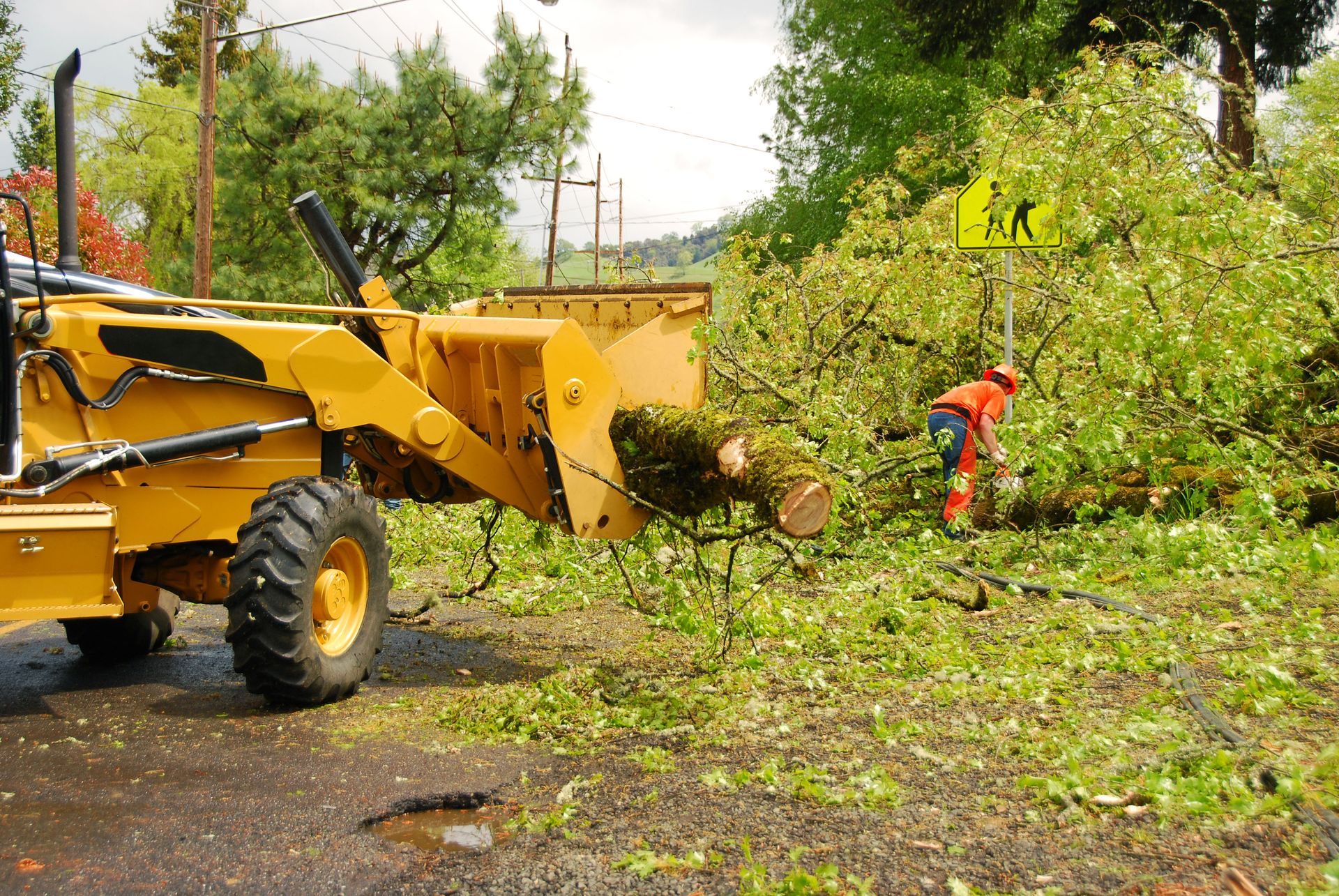
Severe weather can cause significant damage to trees. High winds, lightning, heavy rain, and ice can break branches, split trunks, or weaken root systems. Even when a damaged tree remains standing, its condition may have changed enough to create a safety concern. Storm damage should be evaluated promptly, especially when large branches have fallen or the trunk has developed visible cracks. Broken limbs can leave uneven surfaces that are vulnerable to additional damage. A tree that has shifted or developed major structural damage may also become less stable over time. Professional assistance is particularly important when storm damage affects trees near structures or areas where people regularly travel. An evaluation can help determine whether the tree can remain in place or whether tree removal is the more appropriate option.
Evaluating Tree Health
Trees can be affected by diseases, pests, environmental stress, and changing growing conditions. Some health problems can be managed, but severe decline may leave a tree too weak to remain safely in place. Dead branches, sparse foliage, extensive discoloration, and declining growth can all be signs that a tree is under significant stress. The overall condition of the tree matters when deciding what should happen next. A tree with limited damage may continue growing with appropriate care, while one with widespread deterioration may present greater concerns. Seeking professional help allows the tree to be evaluated based on its condition rather than making a decision based on one visible symptom. When a tree has reached a point where its health and structure cannot reasonably support continued growth, tree removal may be considered. Addressing the issue before the tree fails can reduce the chance of damage to surrounding property.
Considering Root Problems
A healthy root system provides stability and helps a tree access water and nutrients. Problems affecting the roots can weaken the tree even when the trunk and branches appear relatively healthy. Construction activity, soil changes, erosion, drainage issues, and root damage can all affect a tree's ability to remain stable. Signs of root problems may include exposed roots, soil movement near the base, changes in the tree's position, or a noticeable lean. Some root issues can develop gradually and may not be obvious until the tree becomes stressed. Trees with significant root damage may be more vulnerable to strong winds and other environmental pressures. Professional evaluation can help determine whether the root system is still providing adequate support. If stability has been seriously compromised, tree removal may be recommended to address the potential hazard.
Reviewing Tree Location
A tree's location can affect whether it remains appropriate for a property. Trees growing too close to structures, roads, walkways, parking areas, or utility infrastructure can create challenges as they mature. Branches may extend into areas where they can interfere with buildings, vehicles, visibility, or overhead lines. Location alone does not always mean a tree needs to be removed. However, a combination of location and structural or health problems can increase the level of concern. A large, declining tree positioned beside a frequently used walkway presents a different situation than a healthy tree growing in an open area. Professional evaluation can help property owners understand how the tree's size, condition, and surroundings affect its potential risk. In some cases, tree removal may be the safest long-term solution when other options cannot adequately address the concern.
Monitoring Leaning Growth
Trees naturally grow in different shapes, and a slight lean does not automatically indicate a serious problem. However, a new or rapidly increasing lean can be a warning sign. Changes in soil conditions, root damage, storm activity, or structural weakness can contribute to a tree shifting from its previous position. The direction and location of the lean also matter. A tree leaning toward a building, road, parked vehicles, or a high-traffic area may present a greater concern than one leaning toward an open space. Other signs can make a lean more concerning, such as cracked soil around the base, exposed roots, trunk damage, or movement during windy conditions. Seeking professional assistance can help determine whether the tree is stable and what action may be appropriate.
Addressing Dead Tree Conditions
A completely dead tree no longer has the natural ability to recover. As the wood dries and deteriorates, branches can become brittle and more likely to break. Over time, decay may also affect the trunk and roots, increasing the possibility of structural failure. Dead trees can create hazards when they are located near structures, walkways, roads, or other areas that people use regularly. Even smaller dead trees can drop branches unexpectedly, while larger trees may pose more significant concerns because of their size and weight. The condition of a dead tree can change as decay progresses. Seeking professional help can provide a better understanding of its current stability and the appropriate next step. In situations where the tree presents an ongoing hazard, tree removal can help address the source of the concern.
Trees are valuable parts of many landscapes, but their condition can change throughout their lifespan. Damage, decay, disease, root problems, and unfavorable locations can all create situations where a tree is no longer suitable for its surroundings. Recognizing these conditions can help property owners respond before a larger problem develops. Professional evaluation is an important part of making decisions about potentially hazardous trees. When the evidence points to significant structural weakness or an ongoing safety concern, removing the tree may be the most appropriate option. If you have concerns about a hazardous or declining tree, contact Upper Cut Tree Service to discuss whether professional tree removal is appropriate for your property.