October 15, 2026
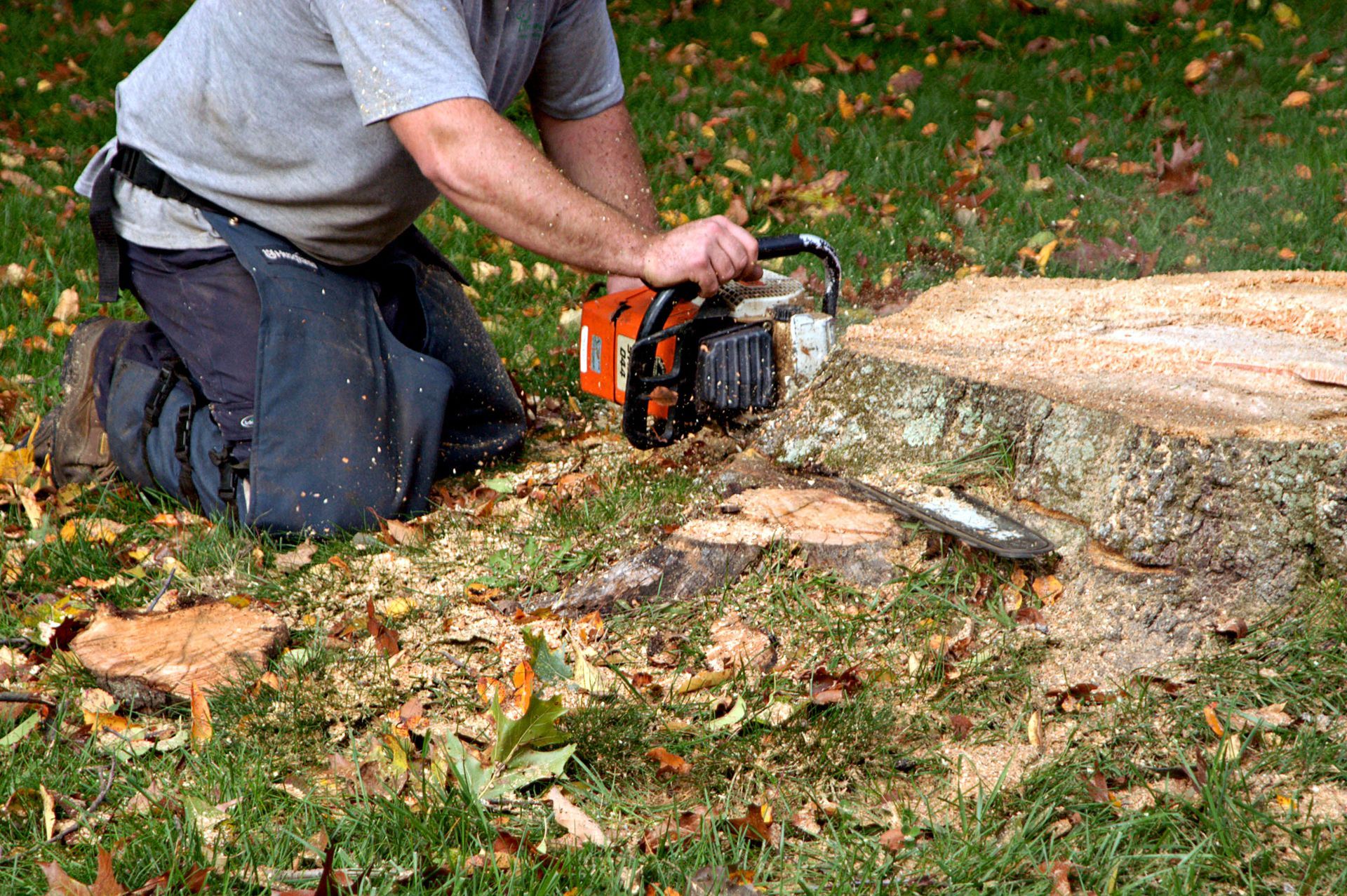
Dead trees can often be overlooked aspects of property maintenance, yet they pose significant risks that must be addressed. Sourcing a dependable tree removal service ensures that dead, diseased, or hazardous trees are taken down safely before causing catastrophic harm. From compromising the safety of residents to impacting the aesthetic and environmental quality of a property, dead trees require diligent assessment and intervention. This article provides a comprehensive exploration of why addressing dead trees should be an urgent concern for property owners, both for preserving the beauty of their surroundings and ensuring the safety and integrity of their homes. Hiring an experienced tree removal service guarantees that hazardous timber is cleared efficiently from your landscape.
Identifying Dead Trees on Your Property
Recognizing Signs of Tree Health Issues
To effectively manage dead trees, it is crucial to first identify the signs indicating declining tree health. Common indicators include brittle bark, absence of leaves during typical growth periods, and visible decay such as fungal growth. Such symptoms could mean the tree is not only dead or dying but potentially hazardous. Bark beetles and other pests often infest weakened trees, further accelerating their decline. Observations of these signs should prompt further inspection and potentially consultation with a professional arborist or a local tree removal service.
Early identification can prevent worse outcomes, such as tree collapse or spreading disease to healthy nearby trees. A tree leaning more than usual can signify root instability, making it susceptible to strong winds or heavy rain, thereby increasing hazards. According to HomeGuide, any tree that has a lean exceeding 15 degrees should be examined, as it may necessitate removal. Early intervention can save property owners from extensive damage and costly repairs. Monitoring these warning signs ensures that trees remain an asset rather than a liability.
Understanding Common Causes of Tree Death
Diverse factors contribute to tree mortality, including pest infestations, disease, and environmental stressors. Insect pests such as emerald ash borers and bark beetles can devastate large swathes of trees. Additionally, fungal infections can spread quickly through the roots and trunk, sometimes without external indications until it is too late. Environmental factors like extreme weather, urban pollution, and rising soil salinity further stress trees, accelerating their decline. Understanding these causes aids in developing more targeted management strategies.
Shifts in weather patterns, often tied to climate change, exacerbate existing stressors. Drought conditions, in particular, limit water availability, causing gradual but irreversible damage. Conversely, excessive water from flooding conditions can compromise root systems, disrupting nutrient uptake and oxygen supply. Each cause, singularly or in combination, leads to systemic failure if left unchecked, underlining the importance of precise diagnosis and timely action. By addressing these causes early, property owners can safeguard trees and their attributes.
Evaluating the Role of Arborists in Tree Inspection
Certified arborists play a pivotal role in managing tree health and mitigating risks associated with dead trees. Their expertise allows them to conduct thorough assessments, identifying less obvious signs of decay or structural weaknesses. Arborists utilize an array of specialized equipment to examine trees at various stages of deterioration. Collaborating with these professionals or a reputable tree removal service provides property owners with tailored advice and action plans for tree maintenance and removal. The presence of arborists ensures informed decisions, protecting both the property and its inhabitants.
Evaluating Property Damage Caused by Dead Trees
Analyzing Structural Damage Risks
Dead trees pose several risks of structural damage, including collapsing onto homes, vehicles, and other vital infrastructure. The weight and unpredictability of falling branches or whole trees can result in significant repair costs and safety hazards. Roofs, fences, and other structures are particularly vulnerable, especially during storms where dead trees are more likely to topple. This potential for damage necessitates early intervention and removal by a certified tree removal service to prevent accidents. Ensuring trees are well-maintained alleviates risks associated with structural instability.
Proactively addressing at-risk trees ensures the preservation of property values and avoids insurance complications. An unstable tree falling can disrupt the integrity of a building’s foundation, cause plumbing issues, or even cut off access during emergencies. Regular inspections can reveal structural weaknesses before they become apparent through costly damage. Preventing such disasters through early removal or pruning not only protects property but also personal safety. Investing in tree health translates into reduced potential for catastrophic structural disruptions.
Reviewing Impact on Landscaping and Gardens
Dead trees can have a pronounced influence on the success of surrounding gardens and landscaping. Their presence can detract from a neatly maintained aesthetic and introduce anomalies to soil and moisture conditions. Decomposing root systems might disturb delicate plantings, leading to nutrient depletion and soil instability. Over time, falling debris and excessive shade from dead limbs can stifle underplantings, diminishing garden health. Scheduling a professional tree removal service fosters a harmonious integration between remaining trees and garden spaces.
Dead trees can disrupt the harmony of designed landscapes, creating visual and practical challenges. Property owners often invest heavily in gardens to enhance aesthetic and ecological values, making tree-related damage particularly costly and frustrating. Proactive management, including assessing impacts before they manifest, maintains garden harmony and vitality. Removal or treatment of dead trees ensures the longevity of cherished plantings and landscape architecture. The equilibrium between trees and gardens underscores the importance of comprehensive landscape management.
Managing Consequences for Utility Lines and Infrastructure
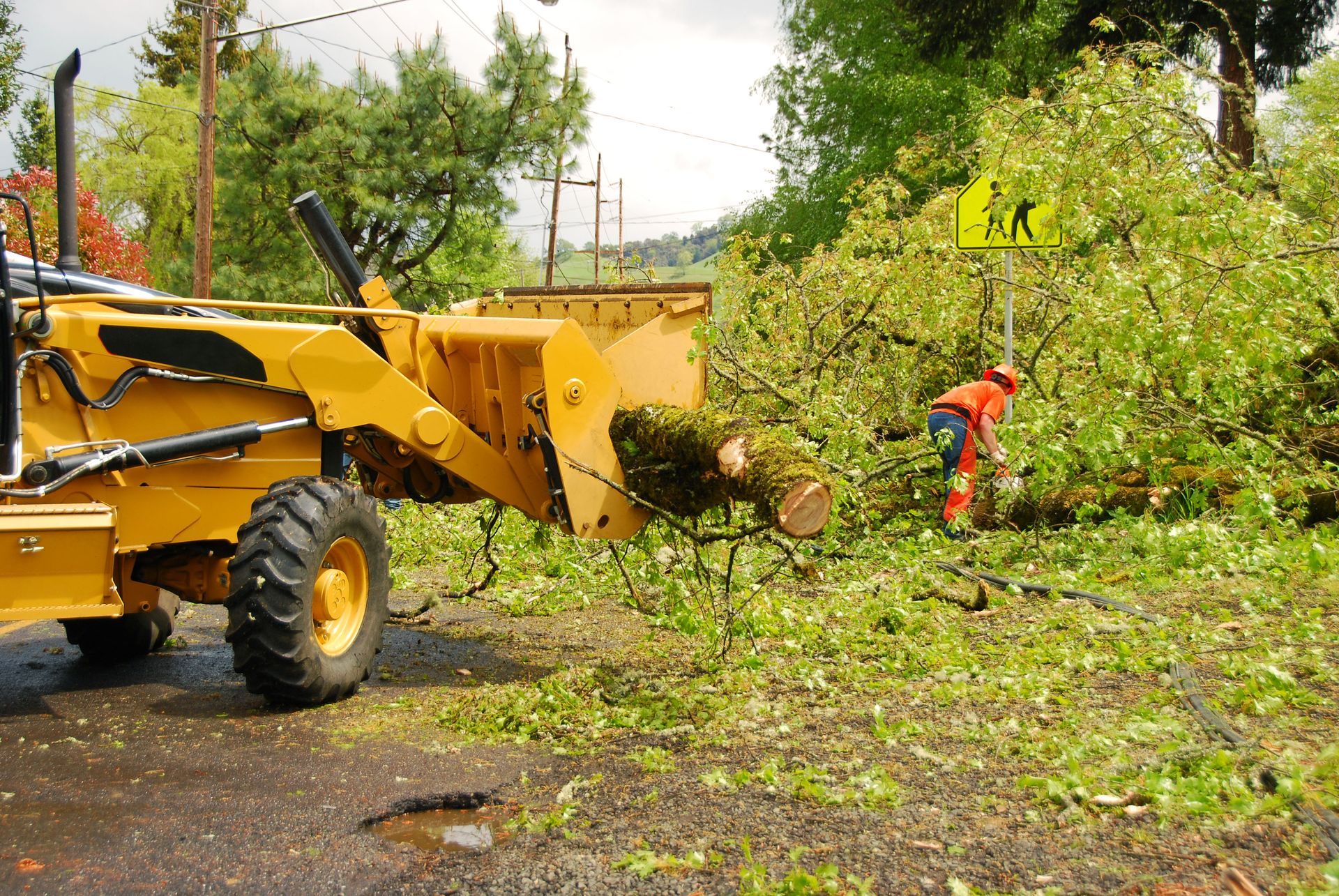
Dead trees pose significant risks to utility lines, presenting potential disruptions in essential services like electricity, water, and internet accessibility. Branches or entire trees can collapse onto lines, causing service outages and requiring resource-intensive repairs. These incidents can lead to increased costs for municipalities and implications for public safety. Relying on an insured tree removal service for preventative clearance can forestall such disruptions. Maintenance and proactive measures alleviate consequential impacts on infrastructure.
Mitigating Safety Hazards of Dead Trees
Preventing Potential for Falling Branches and Trees
A primary safety concern with dead trees is their unpredictable nature, characterized by falling branches or entire trees. These incidents pose threats to people, pets, and property, often manifesting without warning. The risk is heightened during extreme weather, when stressors increase the likelihood of collapse. Property owners must prioritize identifying and addressing trees with compromised stability by contacting a skilled tree removal service to mitigate this danger. Proactive measures safeguard residential environments from unforeseen accidents.
An unexpectedly falling tree or branch can equate to significant injury or even fatalities due to their size and weight. Consistent evaluations by arborists offer professional insights into tree stability risks, emphasizing issues that may not be immediately visible. Weather monitoring combined with tree assessments prepares property owners against potential threats. This combination of observation increases readiness for mitigating risks from compromised trees. While unpredictable, these incidents' impacts are significantly reduced through preventive efforts.
Controlling Fire Hazards Posed by Deadwood
Dead trees are known to heighten fire risks due to the dry, flammable nature of their wood. This becomes particularly concerning in areas prone to wildfires, where deadwood can act as ready fuel during ignition. Proactive remedial actions, such as clearance through a licensed tree removal service and established firebreaks, significantly reduce fire risks. By ensuring this deadwood is managed, the potential spread of fires through properties or communities is controlled. Property owners, therefore, play a key role in community fire safety through vigilant tree management.
Addressing dead trees on your property is a crucial aspect of responsible land management that protects personal safety, structural investments, and overall curb appeal. By learning to identify the early warning signs of decay, property owners can take decisive action before unpredictable weather causes severe structural failure or fire hazards. Partnering with certified arborists and professional tree care specialists ensures that hazardous trees are removed with precision and minimal disruption to the surrounding landscape. Taking a proactive approach to tree maintenance ultimately guarantees long-term peace of mind, preserves property value, and fosters a safe, beautiful environment for years to come.
Safeguard your home and elevate your landscape's safety today by contacting Upper Cut Tree Service to schedule your expert tree removal service!